
Calculators Scientific & Basic
Whether you're tackling maths homework, preparing for exams, managing business finances or handling everyday calculations, choosing the right calculator can save time and reduce errors. Compare scientific calculators and basic models to find the right calculator for your needs and budget.
Categories
Types of Calculators
Scientific Calculators
A scientific calculator is designed for maths and science subjects that go beyond basic arithmetic. Depending on the model, it can handle functions such as
...Types of Calculators
Scientific Calculators
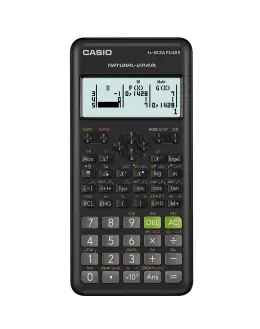
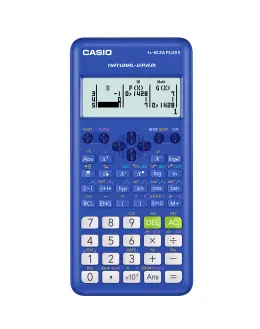
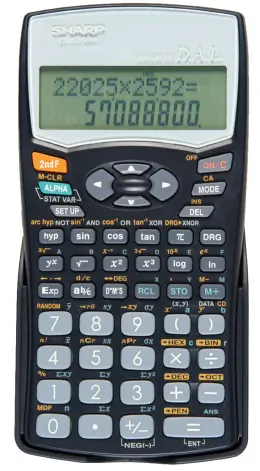
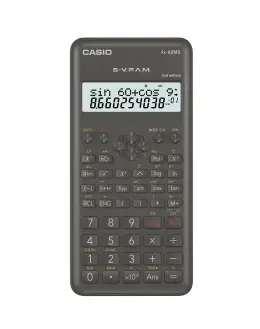
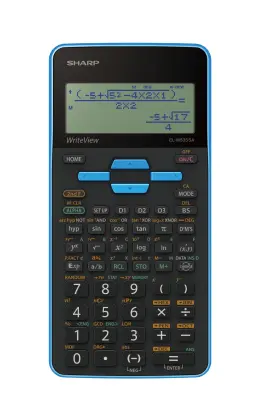
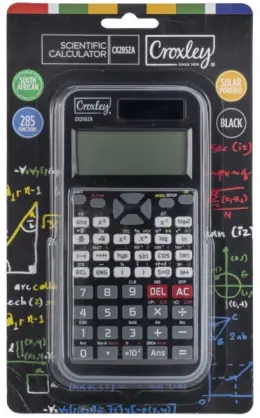
A scientific calculator is designed for maths and science subjects that go beyond basic arithmetic. Depending on the model, it can handle functions such as algebra, trigonometry, fractions, statistics, logarithms and exponents. Whether you're looking for a Casio scientific calculator or a Sharp scientific calculator, you'll find models suited to school, university and professional use. The Casio FX82ZA Plus II is included on many South African school stationery lists, while the Casio FX-991ZA+ offers additional functions for engineering and advanced mathematics. If you prefer a textbook-style display, a Sharp calculator like the EL-W535SA WriteView presents equations in a format that's easy to read and follow.
Basic Calculators
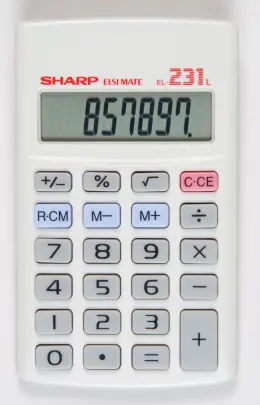
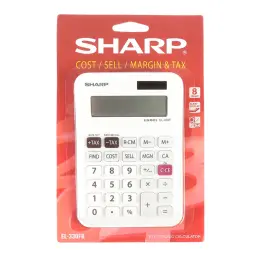
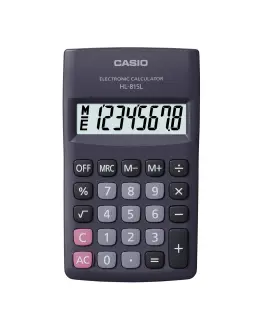
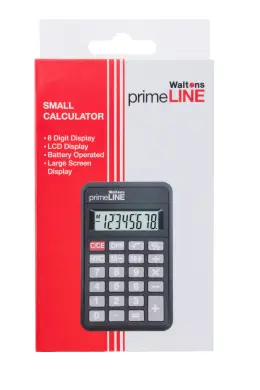
Basic calculators cover everyday calculations such as addition, subtraction, multiplication, division and percentages. Compact 8-digit models like the Sharp EL-231L and Casio HL-815L are easy to carry and well suited to primary school learners, household budgeting and quick calculations at home, in the office or at the till.
Desktop Calculators
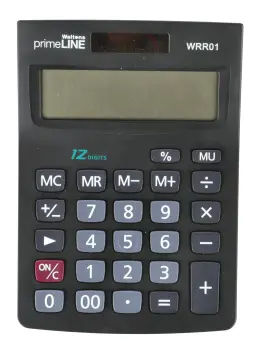
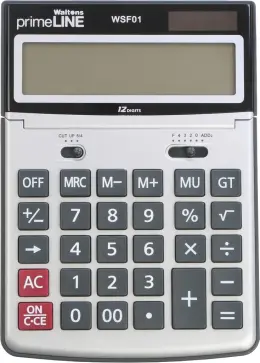
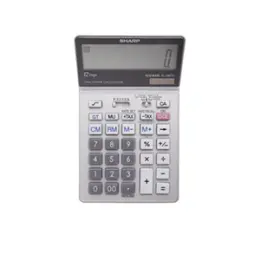
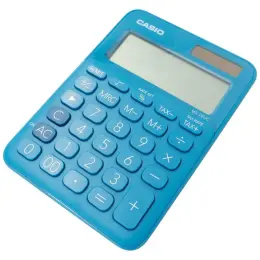
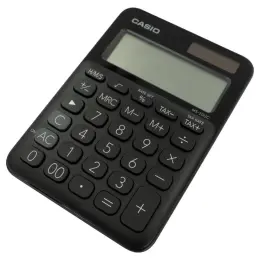
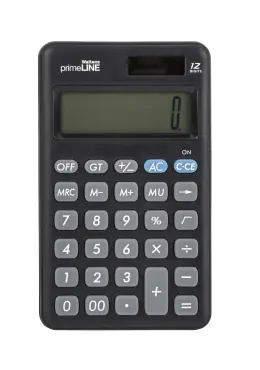
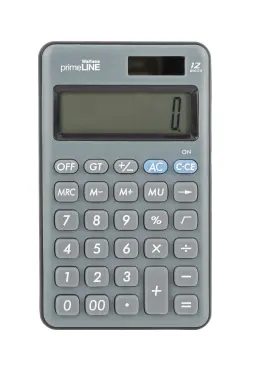
Desktop calculators are built for frequent use and comfortable data entry. Larger keys, angled displays and 10-, 12- or 16-digit displays make them a practical choice for reception desks, retail counters and accounts departments. The Waltons PrimeLine 12-Digit Desktop Calculator is one option for everyday use, while selected models also include features such as tax, markup, memory and grand totals to help speed up routine calculations.
Financial and Business Calculators
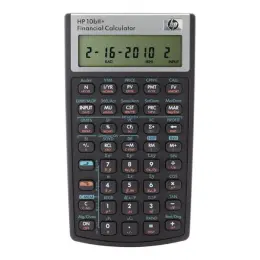
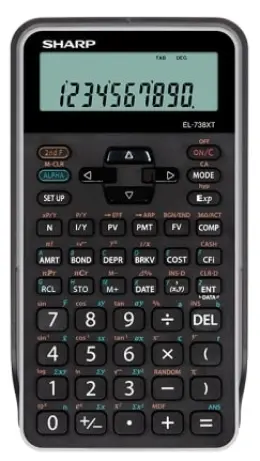
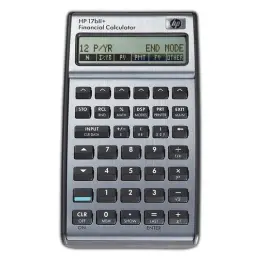
Financial calculators are designed for specialised business and finance calculations that go beyond standard arithmetic. They can help with interest, loan repayments, amortisation, present and future value, and cash flow, making them useful for accounting students, finance professionals, business owners and anyone working with financial data on a regular basis. Models such as the Sharp EL-738XTB and HP 10BII+ are built specifically for these tasks.
Junior Calculators
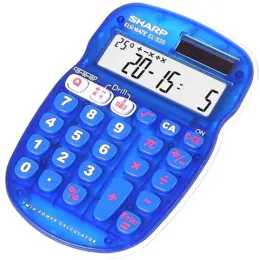
Junior calculators are designed to help younger learners build confidence with numbers. Large displays and simple layouts make them easy to use, while selected models, such as the Sharp S25 Quiz Calculator, include built-in maths quizzes that encourage regular practice in a fun, engaging way.
How to Choose the Right Calculator
Check Your Exam Requirements
If you're buying a scientific calculator for school or university, start by checking your institution's calculator policy. Many exams only allow non-programmable models, while some specify approved functions or display formats. Buying the correct calculator from the start can save you from replacing it later or discovering it's not permitted on exam day.
Match the Display to the Task
The right display makes calculations easier to read and verify. An 8-digit display is suitable for everyday arithmetic and basic budgeting, while 10 to 12 digits are better for bookkeeping, invoicing and business calculations. If you'll be working with equations or fractions, a two-line or textbook-style display lets you review your calculations before reaching the final answer, helping reduce errors.
Consider the Power Source
Think about where and how often you'll use your calculator. Solar-powered models work well in bright environments and reduce the need for battery replacements. Dual-power models switch to battery power when lighting is poor, making them a practical option for classrooms, offices and travel. Battery-powered calculators are often more affordable and are ideal for occasional use.
Focus on the Features You Need
The best calculator is the one that matches the work you'll be doing. A basic calculator is enough for everyday arithmetic, while students tackling maths and science subjects will benefit from scientific functions. If you regularly calculate interest, loan repayments or cash flow, a financial calculator can save time by performing these calculations directly. Paying for extra features only makes sense if you'll use them regularly.
Frequently Asked Questions
What features should I look for in a scientific calculator?
Look for the functions required for your course, along with a clear display that's easy to read. Features such as fraction calculations, equation solving, statistics and a textbook-style display can make complex calculations easier to follow, while a protective slide cover helps extend the life of the calculator.
How much should I expect to pay for a calculator?
Calculator price depends on the type, functions and intended use. Basic calculators are generally the most affordable, while scientific, financial and desktop models vary based on their features. Scientific calculator price typically increases as more advanced functions are added. If you're comparing brands, Casio calculator price varies by model, just as it does across other leading calculator brands. Comparing calculator price alongside the functions you need can help you find the best value.
Do scientific calculators need internet or software?
No. Scientific calculators work independently and don't require an internet connection, software or subscriptions. This makes them suitable for classrooms, examinations and workplaces where reliable offline calculations are needed.
Along with calculators, you'll also find office supplies, furniture solutions, and other gadgets, with free delivery on orders over R500 and Click & Collect from more than 60 stores nationwide.








Types of Calculators
Scientific Calculators
A scientific calculator is designed for maths and science subjects
...Types of Calculators
Scientific Calculators
A scientific calculator is designed for maths and science subjects that go beyond basic arithmetic. Depending on the model, it can handle functions such as algebra, trigonometry, fractions, statistics, logarithms and exponents. Whether you're looking for a Casio scientific calculator or a Sharp scientific calculator, you'll find models suited to school, university and professional use. The Casio FX82ZA Plus II is included on many South African school stationery lists, while the Casio FX-991ZA+ offers additional functions for engineering and advanced mathematics. If you prefer a textbook-style display, a Sharp calculator like the EL-W535SA WriteView presents equations in a format that's easy to read and follow.
Basic Calculators
Basic calculators cover everyday calculations such as addition, subtraction, multiplication, division and percentages. Compact 8-digit models like the Sharp EL-231L and Casio HL-815L are easy to carry and well suited to primary school learners, household budgeting and quick calculations at home, in the office or at the till.
Desktop Calculators
Desktop calculators are built for frequent use and comfortable data entry. Larger keys, angled displays and 10-, 12- or 16-digit displays make them a practical choice for reception desks, retail counters and accounts departments. The Waltons PrimeLine 12-Digit Desktop Calculator is one option for everyday use, while selected models also include features such as tax, markup, memory and grand totals to help speed up routine calculations.
Financial and Business Calculators
Financial calculators are designed for specialised business and finance calculations that go beyond standard arithmetic. They can help with interest, loan repayments, amortisation, present and future value, and cash flow, making them useful for accounting students, finance professionals, business owners and anyone working with financial data on a regular basis. Models such as the Sharp EL-738XTB and HP 10BII+ are built specifically for these tasks.
Junior Calculators
Junior calculators are designed to help younger learners build confidence with numbers. Large displays and simple layouts make them easy to use, while selected models, such as the Sharp S25 Quiz Calculator, include built-in maths quizzes that encourage regular practice in a fun, engaging way.
How to Choose the Right Calculator
Check Your Exam Requirements
If you're buying a scientific calculator for school or university, start by checking your institution's calculator policy. Many exams only allow non-programmable models, while some specify approved functions or display formats. Buying the correct calculator from the start can save you from replacing it later or discovering it's not permitted on exam day.
Match the Display to the Task
The right display makes calculations easier to read and verify. An 8-digit display is suitable for everyday arithmetic and basic budgeting, while 10 to 12 digits are better for bookkeeping, invoicing and business calculations. If you'll be working with equations or fractions, a two-line or textbook-style display lets you review your calculations before reaching the final answer, helping reduce errors.
Consider the Power Source
Think about where and how often you'll use your calculator. Solar-powered models work well in bright environments and reduce the need for battery replacements. Dual-power models switch to battery power when lighting is poor, making them a practical option for classrooms, offices and travel. Battery-powered calculators are often more affordable and are ideal for occasional use.
Focus on the Features You Need
The best calculator is the one that matches the work you'll be doing. A basic calculator is enough for everyday arithmetic, while students tackling maths and science subjects will benefit from scientific functions. If you regularly calculate interest, loan repayments or cash flow, a financial calculator can save time by performing these calculations directly. Paying for extra features only makes sense if you'll use them regularly.
Frequently Asked Questions
What features should I look for in a scientific calculator?
Look for the functions required for your course, along with a clear display that's easy to read. Features such as fraction calculations, equation solving, statistics and a textbook-style display can make complex calculations easier to follow, while a protective slide cover helps extend the life of the calculator.
How much should I expect to pay for a calculator?
Calculator price depends on the type, functions and intended use. Basic calculators are generally the most affordable, while scientific, financial and desktop models vary based on their features. Scientific calculator price typically increases as more advanced functions are added. If you're comparing brands, Casio calculator price varies by model, just as it does across other leading calculator brands. Comparing calculator price alongside the functions you need can help you find the best value.
Do scientific calculators need internet or software?
No. Scientific calculators work independently and don't require an internet connection, software or subscriptions. This makes them suitable for classrooms, examinations and workplaces where reliable offline calculations are needed.
Along with calculators, you'll also find office supplies, furniture solutions, and other gadgets, with free delivery on orders over R500 and Click & Collect from more than 60 stores nationwide.