Shop by Category
Pocket Files and Display Books
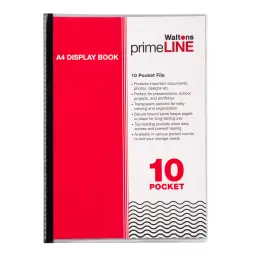
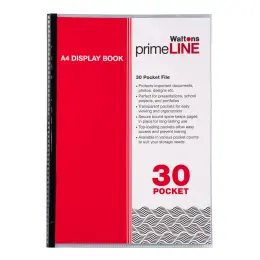
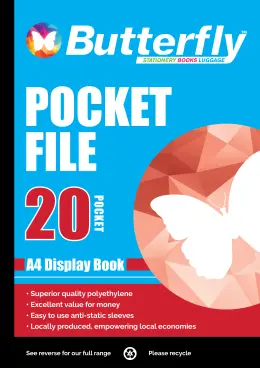
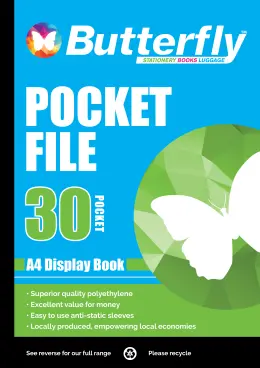
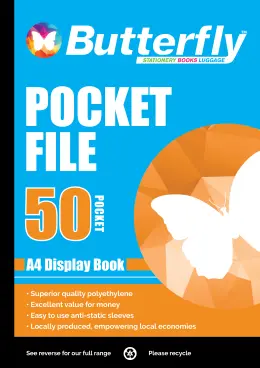
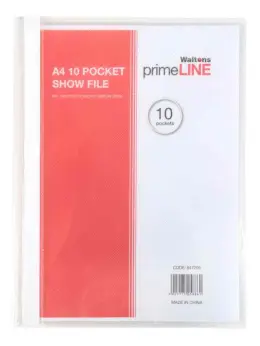
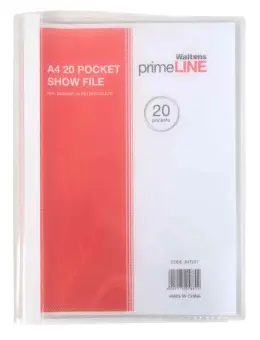
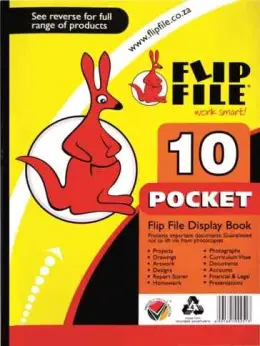
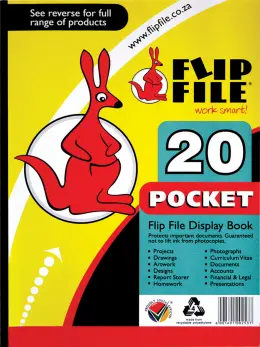
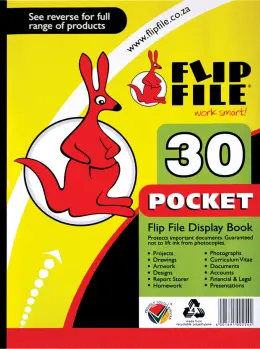
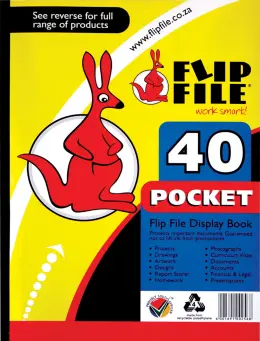
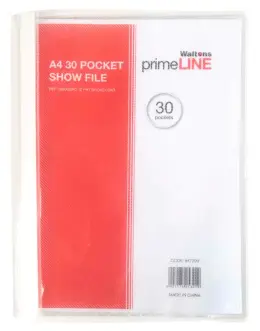
A plastic pocket file keeps pages protected while allowing you to read them without removing them from their sleeves. An A4 pocket file is a practical choice for worksheets, project notes, reference material and presentation handouts. Choose the pocket count according to the size of the project, allowing a few empty sleeves for future additions. Smaller files are easier to carry, while 30- or 50-pocket options can keep a larger set of related documents together in one place.
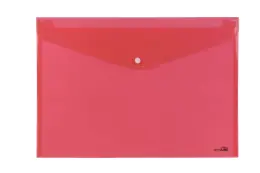
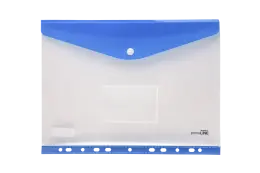
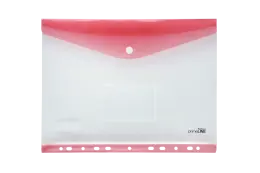
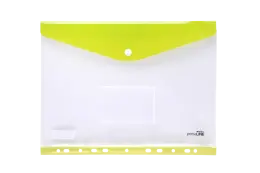
Carry Folders and Envelope Pockets
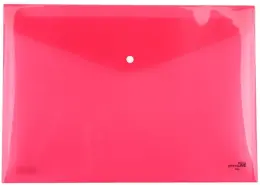
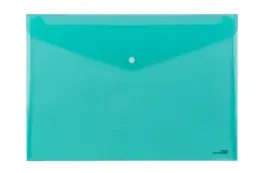
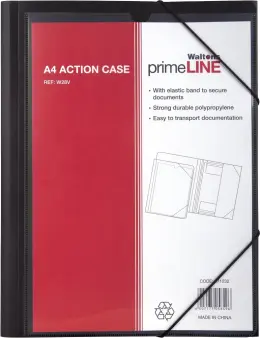
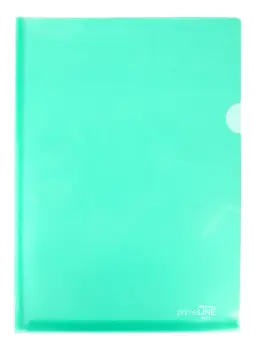
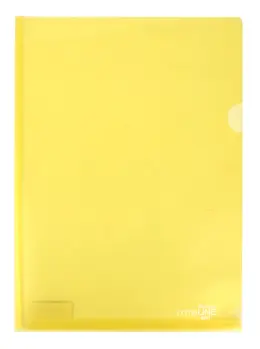
Carry folders and envelope pockets help prevent loose papers, artwork and smaller items from becoming folded or separated while travelling. They are useful for moving documents between home, school, meetings and appointments. Consider an A3 plastic file for oversized sheets that should remain flat, or an A4 document file for everyday paperwork. Check the closure and opening position, especially when storing receipts, notes or mixed paper sizes that could slip out inside a bag.
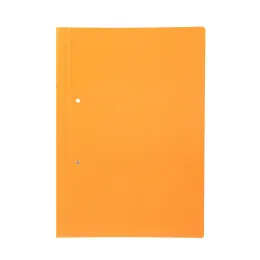
Paper and Manilla Folders
A paper file or manilla file folder makes documents easy to add, remove and reorganise throughout the day. These folders work well for forms awaiting processing, client documents, lesson materials and household paperwork that needs regular access. Colour coding pocket file folders or paper folders by subject, client or task can also make filing papers and finding them again much quicker. Check whether A4 or foolscap sizing best suits the documents and storage cabinet you use.
Spring Clip Files
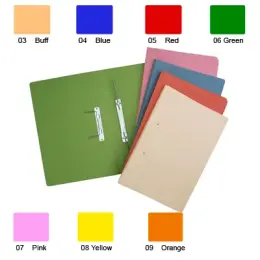
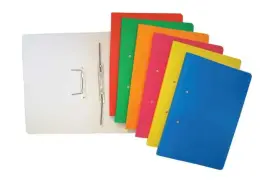
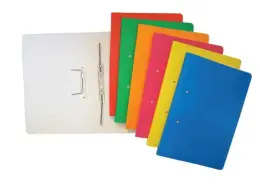
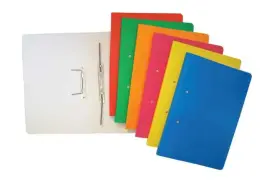
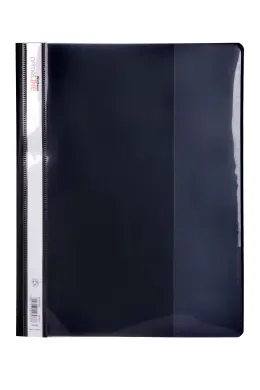
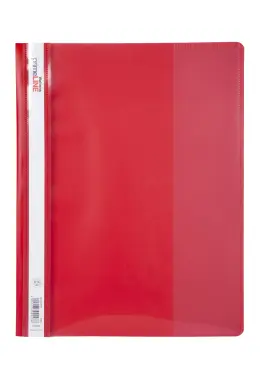
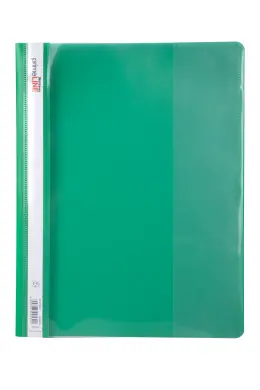
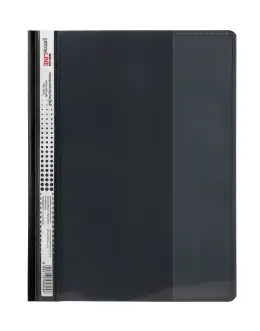
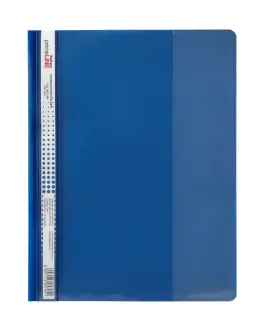
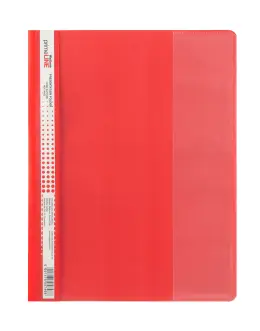
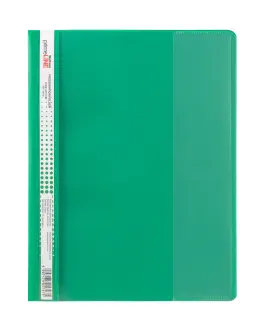
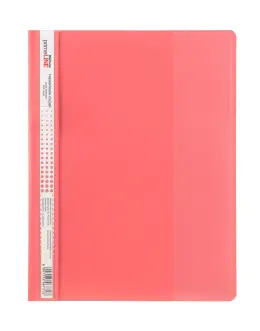
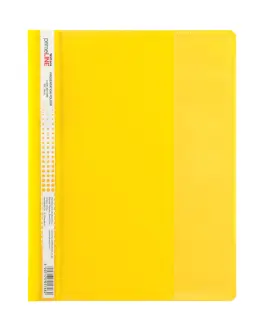
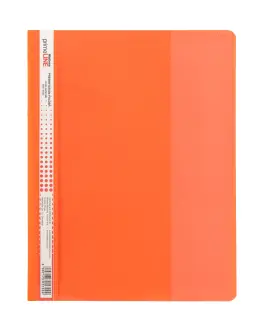
Spring clip files secure loose pages without requiring each sheet to be punched or placed inside a sleeve. They are a convenient option for reports, meeting notes, training material and other working documents that need to stay in order but remain easy to update. Before choosing one, consider how often pages will be added or removed, the capacity of the clip and whether the cover offers enough support for use away from a desk. Different colours can also help separate projects, departments or school subjects at a glance.
How to Choose the Right File
Choose the Right Pocket Capacity
Think about how the pocket file will be used and whether more pages are likely to be added. A 10- or 20-pocket file may be enough for a short assignment or presentation, while a 30- or 50-pocket file is better suited to a growing collection of worksheets or reference material. Choose an A4 pocket file with some spare capacity so the sleeves remain easy to turn and the file does not become overfilled. If a school stationery list specifies a pocket count, follow that requirement.
Match the File to the Paper Size
Check the size of the largest sheet you need to store. An A4 pocket file suits most worksheets, reports and printed documents, while A3 files are better for artwork, posters and larger project pages. Foolscap folders provide extra length for certain records and filing systems. Remember to check the file’s outer dimensions as well. The pages may fit, but the document file must also fit inside a school bag, desk drawer or storage cabinet.
Consider How Often the Contents Will Change
Choose the file according to how frequently pages will be added, removed or reordered. A plastic pocket file or display book works well for presentations, reference notes and completed projects that stay in a fixed sequence. A paper file, loose file folder or spring clip file is more practical for forms, invoices and working documents that change regularly. The right format should make filing papers quicker rather than creating extra work whenever the contents need updating.
Check the Cover and Closure
Think about where the file will be used and how often it will travel. A document file carried between home, school or meetings benefits from a firm cover and a secure zip, button, elastic or flap closure. Open folders may be sufficient for papers stored upright in a cabinet but can allow small sheets to slip out inside a bag. A plastic file can help protect documents from everyday marks and light splashes, but open edges and sleeve openings do not make it fully waterproof.
Check What the Pack Includes
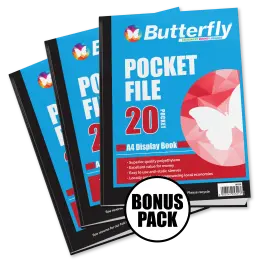
Before comparing prices, check whether you are buying one file or a multipack and how many pockets each file contains. Several smaller pocket files can help keep subjects or projects separate, while one larger file may be more convenient for storing related documents together. Compare the pack quantity, pocket capacity and intended use to determine which option offers better value.
Frequently Asked Questions
Should I choose a pocket file or a file folder?
Choose a pocket file when pages need to stay protected, visible and in a fixed order, such as school worksheets, presentations or reference notes. A file folder is more practical when papers must be removed regularly for signing, copying or sorting. Consider how often the contents will change before choosing between the two.
Is one 50-pocket file better than several smaller pocket files?
Choose one 50-pocket A4 pocket file when the pages belong to the same portfolio, presentation or reference set and need to stay in sequence. Several smaller pocket file folders are more practical for separating school subjects, clients or projects. They are also usually lighter to carry individually. When checking a flip file 50 pockets price, compare the cover quality and pack quantity as well as the number of pockets to make sure you are comparing similar products.
Is a paper file or plastic file better?
A paper file or manilla folder is ideal for forms, invoices and other paperwork that needs frequent sorting. A plastic file withstands regular handling and light splashes better, making it useful for schoolwork or documents that travel often. However, a plastic cover does not make the file completely waterproof, so valuable originals should still be stored carefully.
What type of document file is best for carrying loose papers?
A carry folder or envelope-style document file helps prevent loose sheets, artwork and smaller notes from falling out inside a bag. Look for a secure zip, button, elastic or flap closure, especially when travelling between home, school or meetings. Choose A4 for standard documents and A3 for artwork, posters or other oversized pages that need to remain flat.
When should I use a spring clip file?
A spring clip file works well for reports, meeting notes and working documents that must stay in order but are updated regularly. Unlike a plastic pocket file, it allows you to add, remove or rearrange pages without placing every sheet inside a sleeve. Check the clip capacity and cover strength if you are filing papers for a growing project or carrying the file away from your desk.
Choose a pocket file, paper file or document folder that keeps schoolwork and office paperwork protected and easy to find. Complete your filing setup with paper, desk essentials and storage solutions. Check the delivery and Click & Collect options available in your area, and keep your paperwork organised with Waltons.